Space-id. Trying to summarize News Around Indonesian Fast Train - Whoosh
Background & Whoosh Launch
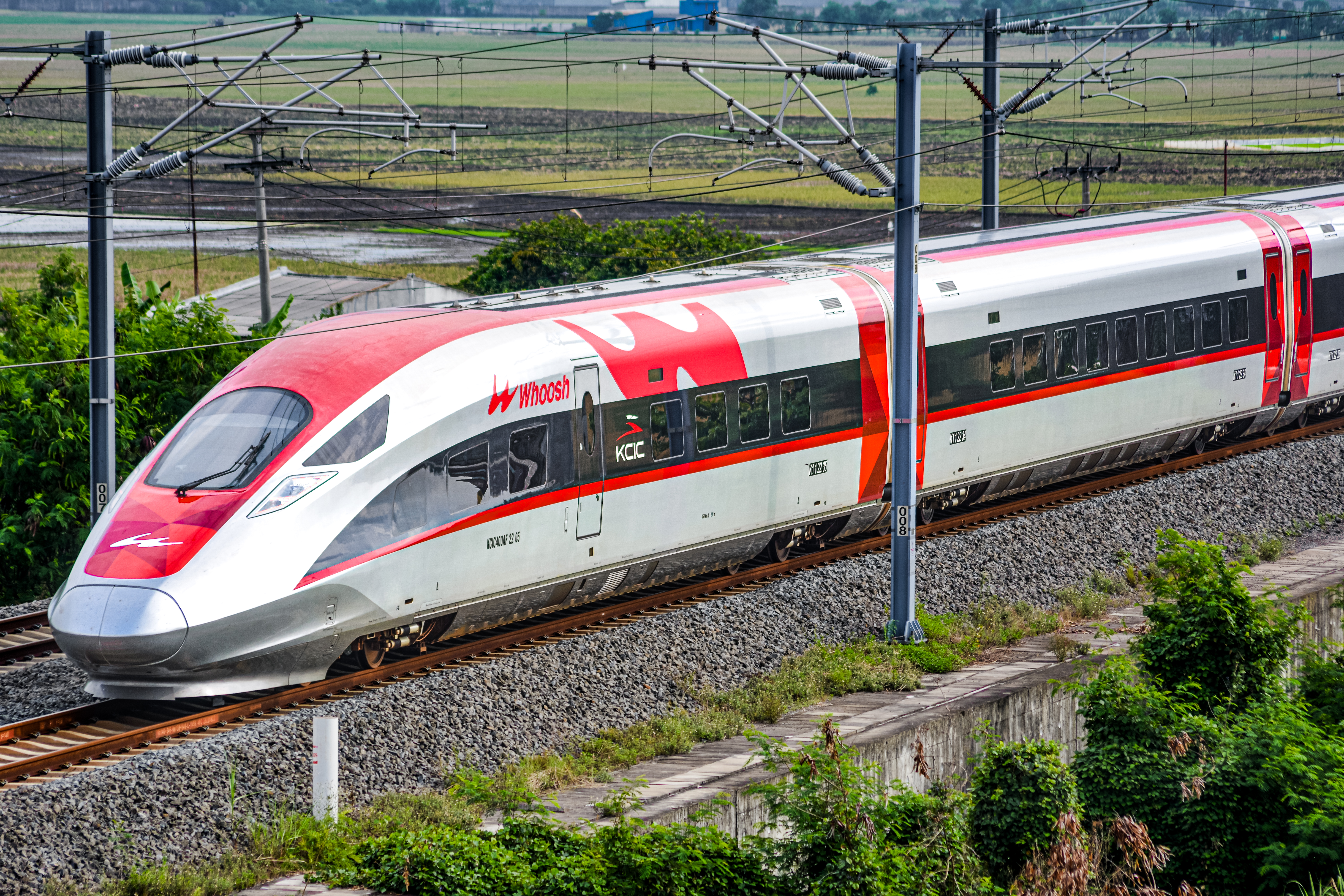
- The fast train project route Jakarta- Bandung, known as "Whoosh," was declared by Joko Widodo on October 2, 2023. Setneg +
- Length of a course is about 142 km at maximum speed to 350 km / h. CNBC + 1
- The name "Whoosh" was taken from the sound of a speeding train and as short as Time to save, Operation Optimal, System Great. portable.
Whoosh Operational Achievement
- Since starting to operate, the number of trips and passengers continue to increase: the frequency of travel rises from 14 per day originally to 48 trips or more in mid-operational. go.id + 2Between News + 2
- In the two-year period of operational, Whoosh had brought over 12 million passengers. Between News + 1
- The passenger daily record recorded reached 26.770 people On June 27, 2025. Between News
- Operator mentions an ontime performance rate approaching 99.9%. Between News
Impact
- The travel time between Jakarta and Bandung is much shorter—from over three hours to less than an hour. Xinhua News
- The government calls Whoosh's presence a symbol of modernization of mass transportation and national pride / Southeast Asia. Between News + 1
- Technical and operational knowledge began to be transferred to Indonesian human resources; Indonesian drivers had successfully operated trains at high speeds. Between News + 1
Challenge for Trouble & Situation
- Project is experiencing a number of obstacles such as procurement of land, covac pandemic, 19, and rising costs. CNBC + 1
- From the financial side, operators and governments opened talks with the Chinese to restructuring debt due to heavy expenses and unmet income. Asia Daily + 1
- The manufacturing industry for domestic trains is still not fully formed even though operational ecosystems began to run. The calendar.
Outlook forward
- The government calls Whoosh success to be the foundation for a longer fast-train corridor development, such as Jakarta- Surabaya routes. Between News
- To maintain and improve operational performance, intermode transportation integration, increased access to stations, and operational efficiency became priority.